
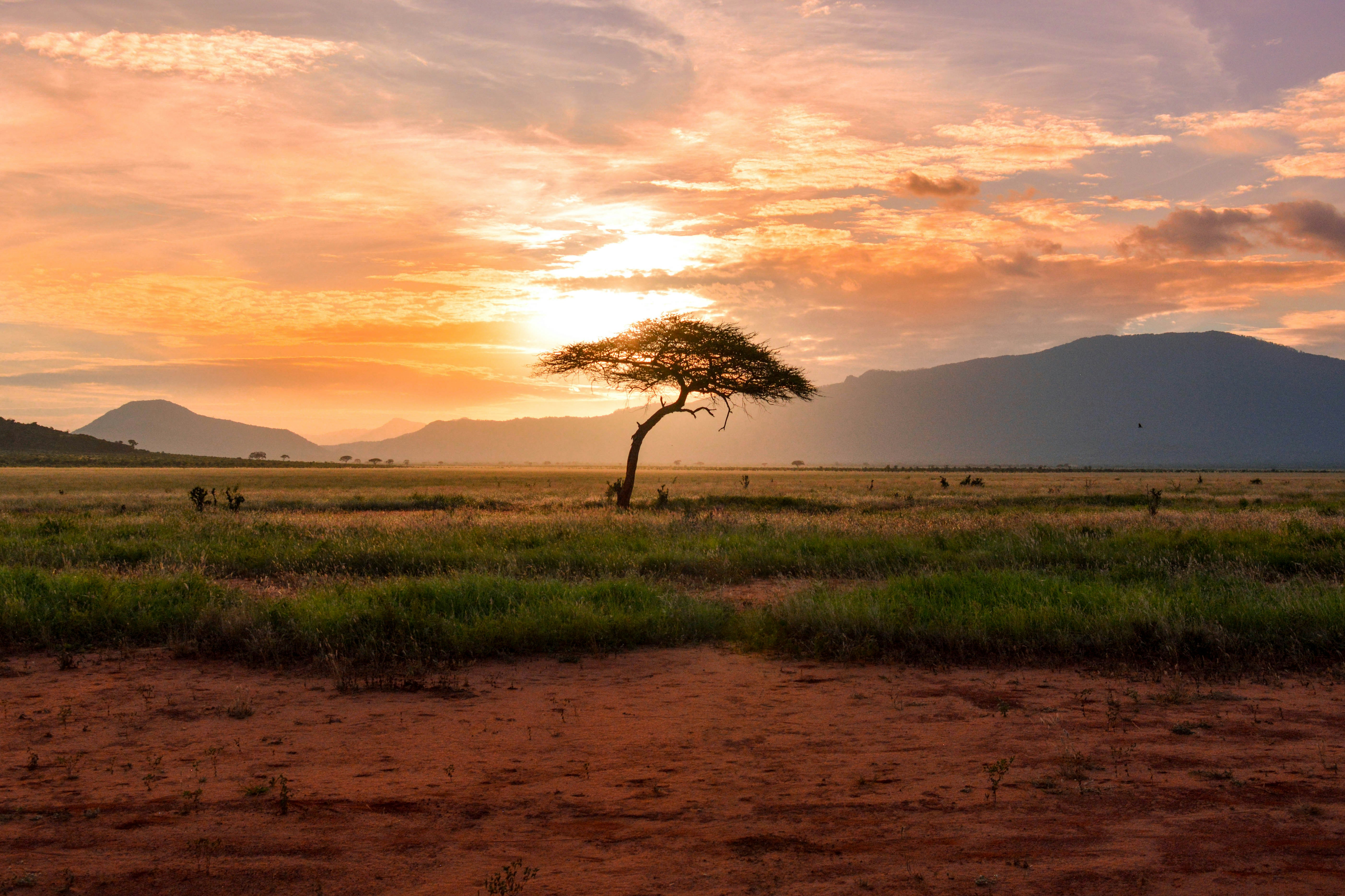

Most school trip websites show the highlight reel: smiling children, safari sunsets, students building things. What they don't show is what an actual day looks like, what students actually do, and what happens before and after the plane lands.
Here's the unfiltered version.
Before the Trip: 4-8 Weeks of Preparation
The trip doesn't start at the airport. It starts in your classroom.
Our pre-trip curriculum covers:
Context, not logistics. Students learn about Kenya's Kasigau Corridor — one of the world's most important wildlife migration routes and home to the first carbon-neutral factory in Africa. They learn about food security, water access, gender equity, and the SDGs. They learn why these matter to the specific communities they'll visit.
Ethical framing. Students interrogate voluntourism, white saviorism, and the "helper" narrative before they travel. This isn't optional feel-good content — it's the framework that makes everything else meaningful.
Practical preparation. Yes, there's a packing list. But also: ethical photography guidelines, community interaction protocols, and frameworks for processing what they'll experience.
By the time students board the plane, they understand where they're going, why, and what their role is. They're learners joining existing work, not heroes arriving to save.
Day 1-2: Arrival and Orientation
Students fly into Mombasa and travel to our base in the Kasigau Corridor region. The first day is deliberately slow — acclimatisation, meeting the Kenyan team who'll lead the program, and an orientation that sets the tone.
What students don't do: Jump straight into a "service project."
What students do: Meet the community staff by name. Learn about the programs from the people who run them. Understand the context before participating in anything.
This matters. In traditional voluntourism, students arrive and start "working" immediately — because the trip company needs to deliver on the promise of service hours. At Kapes, the first priority is understanding.
Day 3-5: Seeds2Education and Community Programs
This is the core of the trip. Students work alongside Kenyan teams in our year-round programs:
Seeds2Education gardens. These permaculture gardens at partner schools are projected to provide 45,000 school meals from their first harvest alone — 15,000kg of onions, each kilogram exchanged for 3 meals. They existed before the student visit and will continue after. Students join the agricultural team: planting, maintaining irrigation, harvesting. They learn about food security from the farmers who manage these gardens year-round.
School feeding programs. Students see the entire chain: food grown in gardens, prepared by community cooks, served to children who would otherwise go to school hungry. Hunger is the number one barrier to education in this region. Students understand that this meal program runs every school day, not just during visits.
Water cooperatives. Students visit women-led water cooperatives — groups of women who've organised to build and manage water infrastructure in their communities. When women have water access, girls stay in school (they're no longer walking hours to fetch it). Students learn about water access, gender equity, and community-led development from the women running it.
The consistent thread: students participate in existing work led by local experts. They don't create new projects. They don't lead. They learn alongside.
Day 6-7: Wildlife and Conservation
Kenya isn't just community programs. It's also one of the most extraordinary wildlife ecosystems on earth.
Students experience the Kasigau Corridor — a critical wildlife migration route between Tsavo East and Tsavo West national parks. Guided by local rangers, they learn about conservation that works with communities, not against them.
This isn't a "safari add-on." It's integrated into the curriculum: conservation economics, human-wildlife coexistence, the relationship between community development and environmental protection.
Students see firsthand that conservation and community development aren't competing priorities. They're the same priority, approached from different angles.
Day 8-9: Reflection and Synthesis
The final days are structured reflection. Not just journaling — structured frameworks that help students connect what they experienced to the bigger picture.
Students reflect on:
- What assumptions they arrived with and how those changed
- What systems (food, water, education, economics) they saw operating
- What "impact" means when the work continues without them
- How their school's partnership with Kapes contributes over time
This reflection is designed to prevent the "voluntourism response" — the Instagram post about being grateful, the essay about how poor people are happy, the reduction of complex systems to feel-good narratives.
Instead, students leave with systemic understanding. They can articulate why food security matters for education, why water access is a gender equity issue, and why year-round programs produce different outcomes than two-week projects.
After the Trip: What Continues
Here's what happens when your students leave:
- The gardens keep feeding children. Every school day.
- The water cooperatives keep operating. Year-round.
- The community staff keep working. Same jobs. Same pay.
- New partner schools get added to the program.
- Your school receives a post-trip impact report showing what your group's visit contributed to.
Student visits generate revenue that funds the year-round work. But the work doesn't depend on visits to exist.
Schools that return for a second year don't repeat the same trip. The curriculum evolves. The relationship deepens. That's the difference between a trip and a partnership.
Is This Right for Your School?
If you're considering a school trip to Kenya and want to know more:
See the data: Our 2025 Impact Report shows every program, every number, every goal.
Evaluate your current program: The Impact Scorecard scores your trips across 5 dimensions in 5 minutes.
Talk to our team: [Book a 20-minute call](calendly link) with someone who's actually in Kenya. No pitch. Just a conversation about what's possible.
FAQ
How many students can come on a trip?
Groups of 10-30 students with 2 teacher leaders. We keep groups intentionally small to maintain real relationships with communities and meaningful learning experiences.
How long are the trips?
Standard programs are 5, 7, or 10 days. We work with schools to customize based on curriculum goals and logistics. Most first-time schools do 7 days.
Is Kenya safe for school groups?
We share our complete risk management plan, health protocols, and emergency procedures with schools and parents before booking. We have 24/7 local staff, trained rangers on all excursions, and established relationships with local health facilities. Safety details: Health & Safety.
What does it cost?
Pricing depends on group size, duration, and program customization. We share line-item budgets before schools commit — not ranges, actual line items. [Talk to our team](calendly link) for a specific quote.
Can students earn academic credit or CAS hours?
Yes. Our programs integrate with IB CAS requirements, and we provide documentation for schools that need it. Pre-trip curriculum, on-ground learning, and post-trip reflection all map to CAS strands.